

Umrah, a spiritual pilgrimage to the holy city of Makkah, has held a profound place in the hearts of Muslims for centuries. Today, with modern advancements, options like Umrah package from Dubai, Umrah visa from Dubai, Umrah by bus from Dubai, and Umrah by air from Dubai have made this sacred journey more accessible than ever. Pilgrims from the UAE and around the world are now able to undertake this lesser pilgrimage with greater ease, reflecting a significant transformation from the humble beginnings of Umrah in the early Islamic period. The evolution of Umrah across the ages highlights not only the enduring faith of Muslims but also the growing capabilities of transportation, communication, and hospitality services surrounding the pilgrimage.
The origin of Umrah can be traced back to the time of the Prophet Ibrahim (Abraham), who, along with his son Ismail, built the Kaaba in Makkah as a house of worship dedicated to the one true God. The acts performed during Umrah – such as Tawaf (circumambulating the Kaaba) and Sa’i (walking between the hills of Safa and Marwah) – were inspired by the devotion and actions of Hajar, the wife of Ibrahim, and their son Ismail. While Hajj was prescribed as a religious obligation, Umrah has remained a recommended and deeply spiritual practice throughout Islamic history.
During the time of the Prophet Muhammad (peace be upon him), Umrah was formalized as a separate pilgrimage distinct from Hajj. One of the most significant events in this period was the Treaty of Hudaybiyyah, which eventually allowed the Prophet and his followers to perform Umrah without conflict. The first proper Umrah performed by the Prophet Muhammad and his companions was a major milestone, reinforcing the sacredness of the rituals and solidifying the spiritual significance of the pilgrimage.
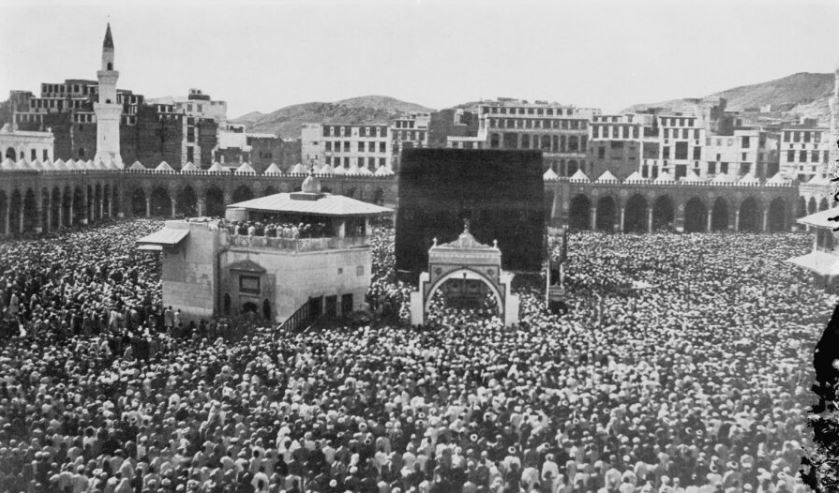
In the centuries that followed, Umrah continued to grow in prominence. Despite the challenges of travel, especially in the pre-modern era, Muslims from across the Islamic world made the journey to Makkah, often walking or traveling by camel over long distances. The pilgrimage routes became central trade and communication corridors, with Makkah emerging as both a spiritual and cultural hub.
As Islamic empires expanded, the support and facilitation of pilgrimage became state responsibilities. The Abbasids, Mamluks, and later the Ottomans invested heavily in infrastructure such as roads, water wells, and accommodations for pilgrims. This period also saw increased coordination in securing the safety of pilgrims from bandits and ensuring the sanctity of the pilgrimage. Caravan systems became common, where groups of pilgrims would travel together under the protection of state-supported escorts, reflecting the communal nature of Umrah and Hajj.
The 19th and early 20th centuries brought new challenges and changes. With the advent of steamships and later railways, more pilgrims could travel greater distances in shorter times. However, political instability and colonial interference in the Muslim world sometimes made pilgrimage travel difficult or dangerous. Nevertheless, Umrah remained a constant in the lives of believers, who made the journey despite the odds, driven by devotion and longing for the House of Allah.
The most transformative era for Umrah came with the rise of air travel and the formation of modern nation-states. The establishment of Saudi Arabia in 1932 brought a renewed focus on improving access and facilities for pilgrims. The development of modern airports, highways, and accommodations revolutionized the experience of Umrah. In recent decades, the digitization of visa processing, hotel reservations, and travel arrangements has further simplified the process.
Today, Dubai has become a prominent departure point for pilgrims heading to Makkah. The availability of a tailored Umrah package from Dubai offers travelers a variety of choices depending on budget and preference. These packages often include transportation, hotel accommodations, guidance, and even meals, ensuring a stress-free experience. Securing an Umrah visa from Dubai is now a streamlined process, with digital applications and swift approvals making it easier than ever for UAE residents and citizens to undertake the pilgrimage.
For those seeking cost-effective and communal travel, Umrah package by bus from Dubai remains a popular option. Buses depart from multiple locations across the UAE and offer a scenic, though longer, route to the holy city. The experience of traveling with fellow pilgrims often adds to the spiritual atmosphere, fostering bonds and collective worship throughout the journey. On the other hand, Umrah package by air from Dubai is ideal for those with limited time or seeking comfort. Direct flights to Jeddah or Madinah allow pilgrims to reach their destination quickly and begin their rituals with minimal delay.
The future of Umrah promises even greater convenience, with Saudi Arabia investing heavily in infrastructure, including the Haramain High-Speed Railway, expanded airports, and digital pilgrim services. Dubai-based agencies continue to innovate, offering all-inclusive and customizable Umrah experiences to suit modern lifestyles while preserving the spiritual core of the journey.