

The Islamic pilgrimage, both Hajj and Umrah, has always held a significant place in the spiritual lives of Muslims. From the early days of Islam to the present, women have played an important, though often underrepresented, role in this sacred journey. Today, the accessibility of pilgrimage has dramatically improved, especially for those residing in the UAE. Options such as Umrah packages from Dubai, Umrah visa from Dubai, Umrah package by bus from Dubai, and Umrah package by air from Dubai have made it easier for women, whether traveling independently or with family, to embark on this transformative journey. These convenient travel arrangements reflect a long-standing history of female participation in pilgrimage, one that goes back to the very foundation of the Islamic faith.
One of the earliest and most prominent examples of a woman’s role in pilgrimage is Hajar (Hagar), the wife of Prophet Ibrahim (Abraham) and the mother of Prophet Ismail (Ishmael). Her desperate search for water in the barren desert led to the miraculous appearance of the Zamzam well—a pivotal moment commemorated by millions of pilgrims during the Sa’i ritual between the hills of Safa and Marwah. Hajar’s faith, courage, and resilience not only form the basis of this essential part of the pilgrimage but also symbolize the deep spiritual agency women hold in Islamic tradition. Her story reminds us that the rituals of Umrah and Hajj were, in many ways, shaped by a woman’s unwavering trust in God.
Throughout Islamic history, women have continued to participate in pilgrimage, sometimes even leading groups or performing the rites independently. Despite societal restrictions at various times and places, women from different regions and backgrounds made the journey to Makkah. They braved deserts, political unrest, and long travel times to fulfill this religious duty. In medieval times, records show that women often joined caravan groups, and some even documented their pilgrimage experiences, offering us unique insights into the spiritual and social dimensions of the journey. These early accounts challenge the notion that pilgrimage was predominantly a male activity and affirm the commitment of Muslim women to their faith.
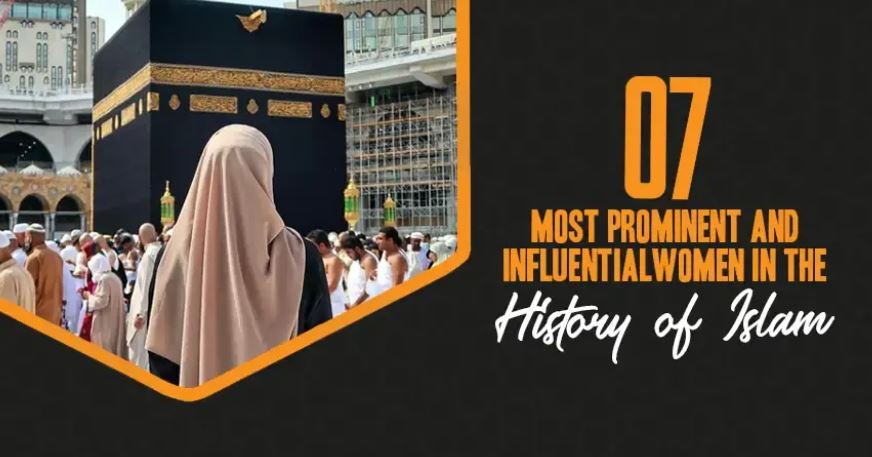
In today’s world, the ability for women to perform Umrah has expanded thanks to better infrastructure, streamlined visa processes, and more inclusive travel services. Umrah packages from Dubai now cater to women-friendly groups, families, and even solo female travelers. These packages often include guidance, accommodation close to the Haram, and dedicated female staff or group leaders to assist throughout the journey. The availability of the Umrah visa from Dubai makes the process smooth and less time-consuming, enabling more women to plan their pilgrimage around family or work commitments. Moreover, options like Umrah by air from Dubai offer quick and convenient access for those seeking a shorter trip, while Umrah by bus from Dubai provides a more economical and social alternative, ideal for group travel or those wanting a more immersive experience.
Women’s presence in pilgrimage has also evolved in terms of leadership and support roles. Female scholars, travel organizers, and spiritual guides are becoming more visible in Umrah groups, especially those catering to English or Urdu-speaking communities. Their roles help make the journey not only safer but more meaningful for other women, providing spiritual counseling and practical guidance throughout the pilgrimage. The growth of this support network reinforces the idea that the spiritual needs and experiences of women are both recognized and valued in the modern context.
Importantly, the spiritual rewards of Umrah are equally available to both men and women. In Islam, the intention (niyyah) and effort are what count most, and women are no less capable of attaining the same level of spiritual purification through Umrah. The Prophet Muhammad (peace be upon him) emphasized the importance of women in worship and devotion, encouraging their participation in religious life. The inclusivity seen in pilgrimage—where men and women perform many of the same rituals side by side—reflects the egalitarian spirit of Islam at its core.
Despite challenges that still exist—such as societal expectations, logistical concerns, or personal limitations—Muslim women continue to play an integral role in the spiritual tradition of pilgrimage. The growing number of female pilgrims from places like the UAE, facilitated by Umrah package from Dubai, reflects a broader shift toward inclusion and empowerment within the Muslim world. With easy access to an Umrah visa from Dubai and Sharjah, and flexible travel options like Umrah by bus from Dubai or Umrah packages by air from Dubai, more women are now able to engage in this sacred journey on their own terms.
In conclusion, women have always been—and continue to be—an essential part of Islamic pilgrimage history. From Hajar’s foundational role to the modern-day women who undertake Umrah with dedication and devotion, their contributions and experiences enrich the collective memory and spiritual essence of the pilgrimage. As accessibility increases, especially through tailored services in places like Dubai, the participation of women in Umrah will not only grow but also gain the recognition and support it has long deserved.