

The sacred journey of Umrah holds deep spiritual significance for every Muslim, symbolizing devotion, unity, and humility before Allah. For many pilgrims from the UAE, choosing the right umrah package from Dubai is an important step in making their spiritual aspirations a reality. Whether one obtains an umrah visa from Dubai or travels through an umrah by bus from Dubai or umrah by air from Dubai option, the journey itself is a reflection of equality and devotion shared by both men and women. While the rituals of Umrah remain the same for everyone, the experience often highlights the nuances of gender roles and equality within the Islamic pilgrimage framework. The Umrah pilgrimage, unlike Hajj, can be performed any time of the year, and it provides both men and women the opportunity to come closer to their Creator. However, understanding gender dynamics during this sacred journey sheds light on how Islam balances spiritual equality with respectful differences in practice.
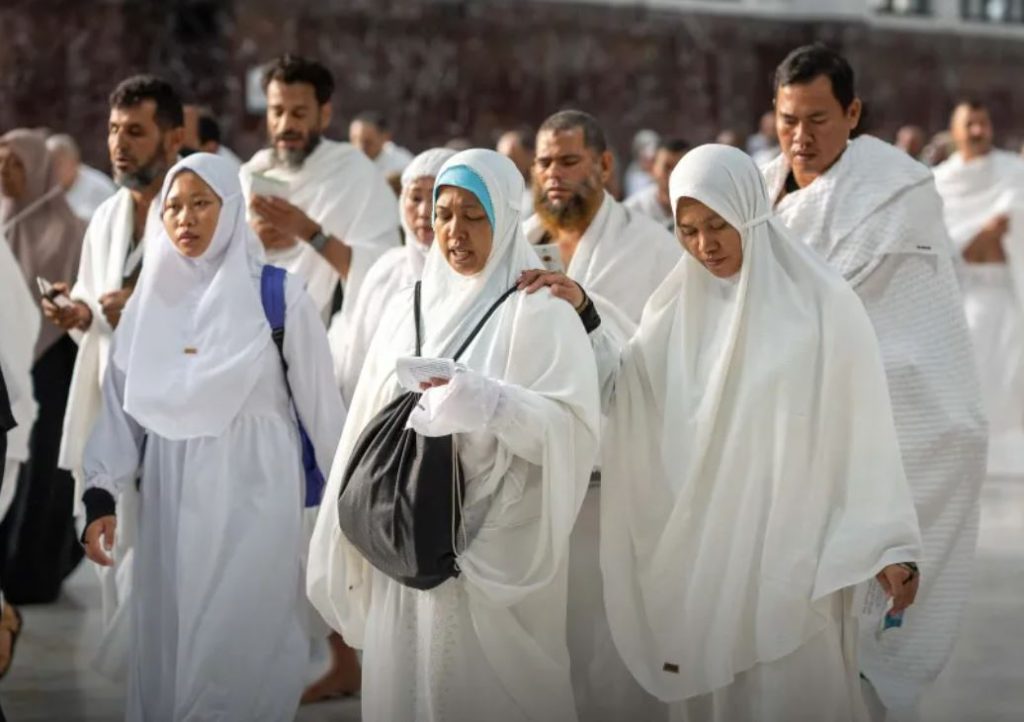
Islam recognizes men and women as spiritually equal in the eyes of Allah. The Umrah rituals — Ihram, Tawaf, Sa’i, and Tahallul — are performed by both genders with only minor distinctions in conduct and attire. For instance, both men and women enter the state of Ihram, a condition of purity and devotion. Men typically wear two unstitched white garments, symbolizing simplicity and unity, while women wear modest clothing that fully covers the body without being decorative. These distinctions in Ihram are not signs of inequality but reflections of Islamic principles of modesty and respect for gender-specific roles. The concept of gender equality in Umrah lies not in identical actions but in equal spiritual rewards for sincere worship.
During the Tawaf, when pilgrims circle the Kaaba seven times, both men and women share the sacred space of worship. The Holy Mosque allows all Muslims to stand side by side, erasing social and economic boundaries. However, certain arrangements ensure comfort and safety for women, such as designated prayer areas or crowd management measures during peak times. These arrangements are not meant to separate genders out of inequality but to maintain order, dignity, and respect in the holy environment. Such practical measures highlight Islam’s understanding of human nature and the importance of ensuring that every pilgrim, regardless of gender, can perform their rituals with ease and concentration.
The journey itself, whether through umrah package by air from Dubai or umrah package by bus from Dubai, also reflects evolving perspectives on gender inclusion. Many travel agencies now offer flexible and family-oriented packages, ensuring that both male and female pilgrims experience convenience and safety throughout their trip. For example, a family traveling through an umrah package from Dubai can find accommodations and transport facilities designed to suit the needs of women, children, and elderly pilgrims. This attention to inclusivity represents how modern services align with the spiritual and social equality taught in Islam. In fact, the increase in female pilgrims traveling independently or in groups also demonstrates growing empowerment and recognition of women’s active role in religious life.
One of the most profound aspects of Umrah is the way it levels all distinctions between people. When standing before the Kaaba, there is no difference between rich and poor, male or female, Arab or non-Arab. Everyone is equal in their submission to Allah. Gender, wealth, and nationality lose significance in this sacred setting. Women perform the same prayers, recitations, and rituals as men, reaffirming the Islamic principle that piety, not gender, determines one’s closeness to God. In a world often divided by social inequalities, the Umrah experience serves as a powerful reminder that Islam envisions true equality rooted in faith and moral conduct.
However, the practical realities of travel and accommodation can sometimes reveal subtle gender-based differences. For example, women traveling alone may face additional procedural requirements when applying for an umrah visa from Dubai. In recent years, Saudi Arabia has made remarkable reforms allowing women to perform Umrah without a male guardian, reflecting a significant step toward gender inclusivity. This change has opened the doors for countless women who wish to fulfill their spiritual duties independently. These evolving regulations emphasize that while cultural traditions have long influenced gender roles, Islamic principles inherently support fairness, dignity, and access to spiritual opportunities for both men and women.
When embarking on the journey through umrah by bus from Dubai, pilgrims experience not only the physical distance but also the emotional transformation that comes from shared devotion. Men and women alike engage in acts of patience, cooperation, and humility throughout the trip. On the other hand, umrah by air from Dubai offers a quicker and more comfortable alternative, appealing especially to families or individuals with limited time. Both travel methods represent the shared spiritual determination among all believers, regardless of gender, to reach the holy city of Makkah and fulfill their sacred duties.
Equality in Umrah also extends beyond rituals to encompass shared responsibilities and moral values. Men are often seen as protectors and providers during the journey, ensuring logistical arrangements, while women contribute emotional strength, organization, and guidance. This complementary relationship aligns with the Islamic vision of balance between genders — not competition, but cooperation. Together, they create an environment of unity and compassion, embodying the essence of the Umrah experience.
Ultimately, Umrah is not just a journey to Makkah; it is a journey toward understanding oneself and one’s relationship with Allah. Through the shared rituals, challenges, and prayers, both men and women experience spiritual renewal and equality in purpose. The presence of diverse pilgrims from across the world reinforces the universality of Islam’s message — that faith transcends gender, nationality, and status. Whether one chooses an umrah package from Dubai, travels via umrah by bus from Dubai, or opts for the convenience of umrah by air from Dubai, the experience remains deeply personal and spiritually unifying.
In essence, the Umrah experience beautifully integrates gender roles with equality. It demonstrates that Islam values both men and women as equal partners in faith, each with unique responsibilities and honors. As pilgrims return home with purified hearts, they carry with them not just memories of sacred rituals but also a renewed understanding of harmony, respect, and equality — lessons that extend far beyond the holy journey itself.