

Undertaking the sacred pilgrimage of Umrah is a deeply emotional and spiritual journey for every Muslim. Many pilgrims from the UAE prepare for this profound experience by selecting the most suitable umrah package from Dubai, arranging their umrah visa from Dubai, and deciding between an umrah package by bus from Dubai or an umrah package by air from Dubai. These logistical choices mark the beginning of a heartfelt quest for spiritual renewal and divine closeness. Among the many reflective practices that pilgrims embrace during their journey, one of the most intimate and transformative is writing letters to Allah. This act of sincere communication allows pilgrims to pour out their deepest emotions, hopes, regrets, and gratitude in words that transcend language and reach directly to the heart.
The concept of writing a letter to Allah during Umrah might seem unusual to some, but for many pilgrims, it becomes a meaningful form of spiritual expression. As they stand in the holiest places on Earth—within the serene boundaries of Masjid Al-Haram, near the Kaaba, or under the open sky of Mina—writing such letters becomes a conversation between the soul and its Creator. When words of prayer fail to capture the intensity of one’s feelings, a written reflection helps bridge that gap. It becomes a way of documenting one’s relationship with Allah, not as a ritual, but as a personal dialogue rooted in humility, sincerity, and love.
For pilgrims traveling from Dubai, the journey itself often inspires introspection. Whether one takes an umrah package by bus from Dubai, feeling the gradual transition from the busy city life to the calm deserts and sacred land, or opts for an umrah package by air from Dubai, arriving swiftly in the heart of Makkah, each route offers moments of stillness and thought. During these moments, many pilgrims begin to reflect on their purpose, their past, and their connection with Allah. Writing a letter during this time helps them express their journey’s emotional essence—what they seek forgiveness for, what they are thankful for, and what they hope to become after returning home.
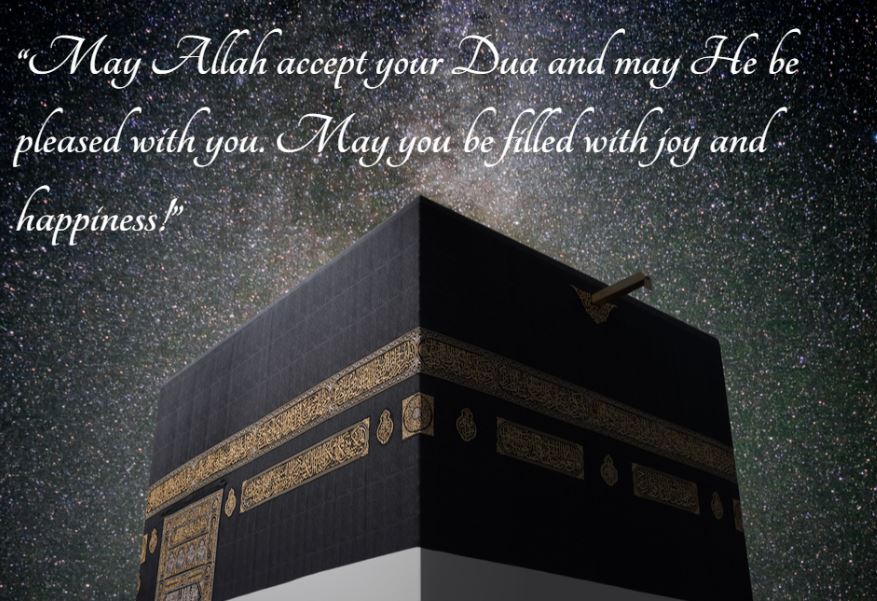
The act of writing to Allah is deeply therapeutic. It allows pilgrims to confront their inner selves honestly. Many people go through life carrying silent burdens—guilt, regrets, fears, or unspoken prayers—that they find hard to express aloud. Putting those emotions into words brings clarity and release. Within the sacred atmosphere of Makkah, surrounded by thousands of believers, a pilgrim often feels both humbled and uplifted. Writing a letter to Allah in that setting becomes a way to unburden one’s heart while feeling His immense mercy. The paper becomes a silent witness to one’s repentance and longing for divine acceptance.
For some pilgrims, writing such letters is not about seeking specific answers but about surrender. It’s about acknowledging that Allah already knows what resides in their hearts, yet still choosing to articulate it as an act of devotion. Each word written is an offering—a symbol of trust and vulnerability. In the peaceful corners of Masjid Al-Haram, you might find someone quietly penning their thoughts, their eyes moist with tears, their heart filled with tranquility. These letters are not meant to be sent or read by others; they are intimate confessions between the believer and the Almighty.
Many pilgrims choose to write their letters after completing Tawaf or Sa’i, when their hearts are light and their souls feel renewed. At that point, they have physically and spiritually exerted themselves, experienced moments of exhaustion, and found strength in faith. Writing becomes a way of preserving that feeling—capturing the raw emotion that words can barely describe. It serves as a spiritual journal that keeps the essence of their Umrah alive long after they return to Dubai. Whether they traveled by bus or air, their journey’s destination ultimately remains the same: the closeness to Allah that they seek through reflection and prayer.
Upon returning home, many keep their letters as personal treasures, while others choose to destroy them as a symbolic act of surrender—entrusting their words to Allah alone. Reading these letters later can bring immense peace, reminding the pilgrim of the emotional depth they experienced in Makkah. It becomes a reflection of growth, showing how their faith has evolved over time. This practice also encourages mindfulness in daily life; whenever one faces hardship, revisiting the sincerity expressed in those letters can restore faith and patience.
Choosing the right travel option from Dubai plays a role in shaping these reflective experiences. An umrah package by bus from Dubai allows pilgrims to experience the gradual build-up of anticipation and humility, often shared among fellow travelers who exchange stories, prayers, and reflections along the way. This slower journey creates time for introspection and writing. On the other hand, an umrah package by air from Dubai provides a quicker, more direct route that allows pilgrims to maximize their spiritual time in Makkah, leaving more space for contemplation, prayer, and personal journaling. Both paths lead to the same sacred purpose—connection with Allah—but the pace and atmosphere can influence how one experiences that connection.
Ultimately, writing letters to Allah during Umrah is not about the words themselves but about the sincerity behind them. It is a timeless form of worship that transcends spoken prayer and transforms reflection into a living testament of faith. Every stroke of the pen becomes an act of remembrance, every tear a seal of devotion. As pilgrims from Dubai complete their sacred journey—guided by their chosen umrah package from Dubai and supported by their umrah visa from Dubai—they return not just with memories, but with a heart that has learned to speak directly to its Creator.
In a world where life moves fast and words are often fleeting, taking the time to write a heartfelt letter to Allah during Umrah is an act of deep spirituality. It reminds pilgrims that faith is not only found in rituals, but also in moments of quiet reflection, where the soul confides in its Lord. Whether the journey began on a bus or in the sky, every pilgrim who writes to Allah in Makkah carries home a piece of divine peace—a written testament to their love, humility, and unwavering hope in His mercy.