

The Seven Mosques in Madinah are among the historically significant places visited by many Muslims during their journey to the holy city. Located near the site associated with the Battle of the Trench, also known as the Battle of Khandaq, these mosques preserve memories of an important period in Islamic history. Their surroundings remind visitors of the sacrifices, faith, and unity demonstrated by the early Muslim community. For Umrah pilgrims and visitors exploring Madinah, this historic area offers an opportunity to learn about the challenges faced by Prophet Muhammad (peace be upon him) and his companions while appreciating the spiritual atmosphere of the city.
The name Seven Mosques refers to a group of small mosques traditionally associated with the Battle of the Trench. Although the name suggests that all seven buildings form one unified complex, they are separate structures located close to one another. The number and identification of the mosques can vary according to historical accounts and local traditions. Today, the area is a popular destination for visitors interested in the events that shaped the early Muslim community. Exploring these mosques allows pilgrims to connect historical knowledge with the wider experience of visiting Madinah.
The Battle of the Trench holds a special place in Islamic history. During this event, the Muslim community faced a large coalition of opposing forces that threatened Madinah. Following the suggestion of Salman al-Farsi, a trench was dug around vulnerable parts of the city as a defensive measure. This strategy helped protect the Muslim community during a difficult period. The siege tested the patience, courage, and trust in Allah of Prophet Muhammad (peace be upon him) and his companions. The historic mosques in this area are connected through tradition to the people and events surrounding this important battle.
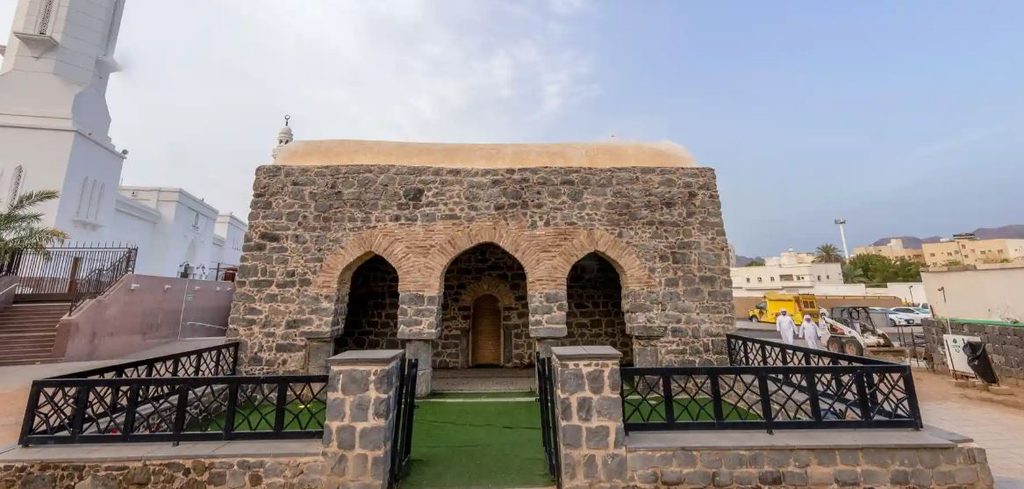
Among the best-known mosques in the group is Masjid al-Fath, which is traditionally associated with Prophet Muhammad (peace be upon him). It is often considered the most prominent mosque in the area. Masjid Salman al-Farsi is connected by tradition with the companion whose idea contributed to the trench’s defensive strategy. Other mosques in the vicinity bear names associated with companions, including Abu Bakr, Umar, Ali, and Fatimah. Their presence reflects the importance of remembering the individuals who supported the early Muslim community. Visitors should understand that some historical associations are based on local tradition rather than definitive historical evidence.
A visit to the Seven Mosques can be a meaningful addition to an itinerary of Madinah ziyaraat. Many pilgrims explore this area alongside other historic Islamic landmarks, depending on their available time and travel arrangements. Visitors can walk around the mosque complex, observe the architecture, and learn about the Battle of the Trench. The surrounding landscape also helps people imagine the challenges of defending Madinah during the early years of Islam. Taking time to understand the historical background can make the visit more rewarding than simply photographing the buildings.
When planning a visit, comfortable footwear is helpful, particularly for those exploring several nearby landmarks. Modest clothing should be worn, and visitors should respect the rules displayed at each mosque. Prayer facilities and access arrangements may vary, so it is sensible to follow local guidance. Pilgrims should avoid disrupting worshippers, keep the area clean, and maintain a calm atmosphere. During busy periods, allowing extra time for travel and movement between sites can make the experience more comfortable, especially for families and older visitors.
The best way to appreciate the Seven Mosques is to approach the visit with respect, curiosity, and an understanding of their historical context. Rather than treating the area as an ordinary sightseeing stop, visitors can reflect on the patience, cooperation, and determination shown by the early Muslims. These qualities remain valuable lessons for people today.
For anyone interested in Islamic heritage, the Seven Mosques provide a meaningful glimpse into Madinah’s past. Their connection with the Battle of the Trench makes them an important part of the city’s historical landscape. A thoughtful visit can deepen appreciation for the struggles of the early Muslim community and add another dimension to the spiritual journey of pilgrims visiting the blessed city of Madinah.