

Masjid an-Nabawi, located in the heart of Madinah, is one of the most cherished places in Islam. Every year, millions of Muslims visit this sacred mosque to pray, send blessings upon Prophet Muhammad (peace be upon him), and experience the peaceful atmosphere of the Prophet’s City. Beyond the mosque itself, Madinah contains several historical and religious landmarks that help visitors understand the early days of Islam. Exploring these places during a stay near Masjid an-Nabawi can make an Umrah journey more meaningful by connecting spiritual experiences with important moments from Islamic history.
Masjid al-Ghamamah
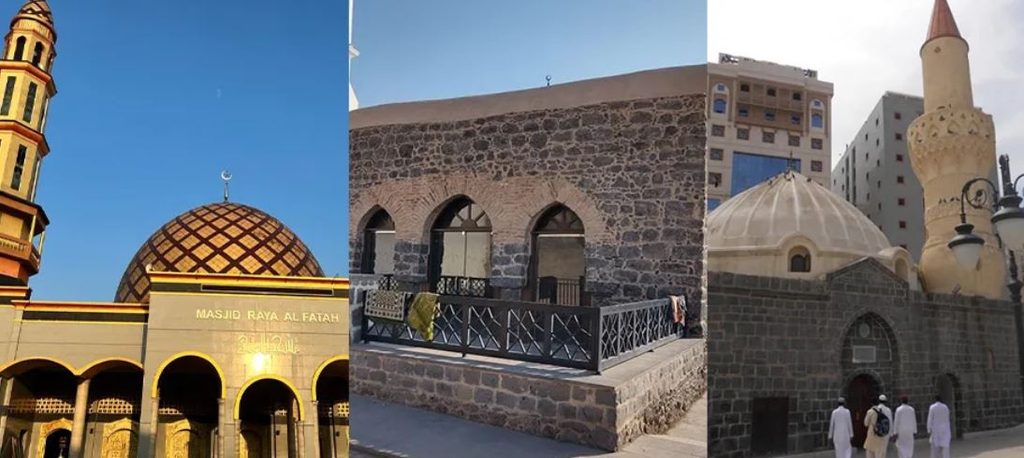
Masjid al-Ghamamah is one of the notable historical mosques within walking distance of Masjid an-Nabawi. According to traditional accounts, the location is associated with occasions when Prophet Muhammad (peace be upon him) offered Eid prayers and performed the prayer for rain. Its name, commonly translated as the Mosque of the Clouds, is linked to the story of clouds appearing during a supplication for rain. The mosque’s distinctive architecture and peaceful surroundings make it an interesting stop for pilgrims exploring Madinah’s religious heritage. Visitors can appreciate its historical importance while remembering the Prophet’s connection with the local community.
Jannat al-Baqi
Jannat al-Baqi is a historic cemetery situated beside Masjid an-Nabawi. It is the resting place of many members of the Prophet’s family, his companions, and other important figures from early Islamic history. Its proximity to the mosque makes it a significant destination for visitors who wish to reflect on the lives of those who contributed to the development of Islam. The cemetery is a place for quiet remembrance, prayer, and reflection on the temporary nature of worldly life. Visitors should follow the designated access arrangements and maintain respectful behaviour throughout their visit.
Masjid al-Qiblatain
Masjid al-Qiblatain, known as the Mosque of the Two Qiblas, is another important historical destination in Madinah. It is associated with the event in which Muslims received the command to change their direction of prayer from Jerusalem toward the Kaaba in Makkah. Although the mosque is not immediately beside Masjid an-Nabawi, it can be included in a short historical excursion around the city. Learning about this event helps visitors understand an important turning point in Islamic worship and the development of the Muslim community.
The Seven Mosques
The Seven Mosques area is a well-known historical site connected with the Battle of the Trench, also called the Battle of Khandaq. During this event, Muslims defended Madinah against a large opposing force by digging a trench around vulnerable parts of the city. The area contains several small mosques and historical landmarks associated with the events of that period. Visitors interested in the courage, cooperation, and faith of the early Muslim community may find this location particularly meaningful. It is best explored as part of a planned trip rather than an ordinary walk from Masjid an-Nabawi.
Masjid Quba
Masjid Quba holds a special place in Islamic history because it is widely recognised as the first mosque established by Prophet Muhammad (peace be upon him) after his arrival in the Madinah region. Its history is closely connected with the early Muslim community and the Prophet’s migration from Makkah. Although it requires transportation from Masjid an-Nabawi, it is one of the most worthwhile destinations to include in a Madinah ziyaraat itinerary. The mosque’s welcoming atmosphere offers visitors an opportunity to pray, reflect, and learn more about the beginnings of Muslim life in Madinah.
Planning Your Historical Visit
When visiting historical sites near Masjid an-Nabawi, plan your route according to the time available, walking distances, and local transport options. Some locations can be reached on foot, while others require a taxi or organised ziyaraat tour. Comfortable footwear, modest clothing, drinking water, and awareness of prayer times can help make the experience easier.
Visitors should remember that these landmarks are not simply tourist attractions; they represent important chapters in Islamic history. Maintaining silence where appropriate, respecting cemetery rules, and avoiding disruptive photography are thoughtful ways to show consideration.