

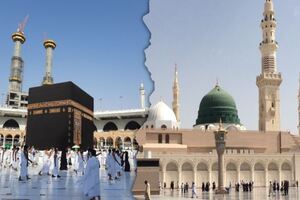
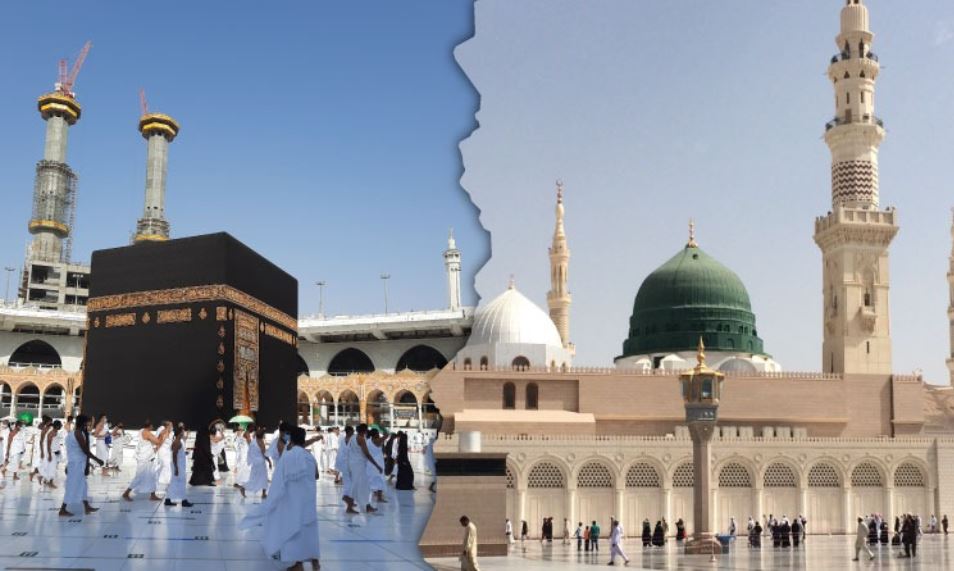
A journey to Makkah and Madinah is a meaningful experience for Muslims who wish to strengthen their faith while exploring the places connected with Islamic history. Alongside performing Umrah and offering prayers in the holy mosques, pilgrims can visit important historical locations that remind them of the sacrifices, struggles, and achievements of early Muslims. A seven-day ziyaraat journey provides a wonderful opportunity to discover these places at a comfortable pace while reflecting on their spiritual significance.
Day 1: Exploring the Sacred Heart of Makkah
Begin your journey in Makkah, the city that holds a special place in the hearts of Muslims worldwide. The first day can be dedicated to Masjid al-Haram, home of the Holy Kaaba. Pilgrims can perform Tawaf, offer prayers, and spend peaceful moments making dua. The atmosphere surrounding the Kaaba creates a powerful sense of unity, as Muslims from different countries gather with the same purpose. Take time to appreciate the history of this sacred sanctuary and reflect on the importance of worship, patience, and devotion.
Day 2: Discovering the Historical Sites of Makkah
The second day is ideal for exploring important historical locations around Makkah. Jabal al-Noor is associated with the Cave of Hira, where Prophet Muhammad (peace be upon him) received the first revelation. The mountain holds great significance in Islamic history, although visitors should understand that reaching the cave involves a demanding climb. Jabal Thawr is another historically important mountain connected with the Prophet’s migration to Madinah. These locations offer opportunities to reflect on faith, courage, and trust in Allah. Visitors can admire these sites from suitable viewpoints without undertaking strenuous climbs if they prefer a more comfortable experience.
Day 3: Learning About Early Islamic History
Spend the third day learning more about Makkah’s historical landscape. The area of Mina is associated with the Hajj pilgrimage and the important rituals performed by pilgrims each year. Nearby, Muzdalifah and Arafat are also central to the Hajj experience. Although these places are especially significant during the pilgrimage season, understanding their role helps visitors appreciate the wider story of Islamic worship. Depending on access arrangements and local guidance, pilgrims can explore suitable viewpoints and reflect on the lessons of sacrifice, equality, and spiritual renewal.
Day 4: Travelling from Makkah to Madinah
The fourth day marks the transition from Makkah to Madinah, the city closely connected with the Prophet’s migration and the growth of the early Muslim community. After arriving and settling into your accommodation, visit Al-Masjid an-Nabawi, the Prophet’s Mosque. Spend time offering prayers, sending blessings upon Prophet Muhammad (peace be upon him), and appreciating the mosque’s peaceful atmosphere. Keep the schedule relaxed after travelling, allowing enough time for rest and worship. This first day in Madinah provides a gentle introduction to the city’s rich religious and historical heritage.
Day 5: Visiting Quba and Qiblatain Mosques
Dedicate the fifth day to two important mosques in Madinah. Masjid Quba is associated with the early Muslim community established after the Prophet’s arrival in the region. Its history makes it a meaningful destination for pilgrims interested in the beginnings of Islam in Madinah. Continue to Masjid al-Qiblatain, remembered for its connection with the change of the direction of prayer from Jerusalem towards the Kaaba in Makkah. Visiting these mosques helps travellers understand how Islamic worship and the Muslim community developed during the Prophet’s lifetime.
Day 6: Mount Uhud and the Battle of the Trench
On the sixth day, explore places connected with important events in early Islamic history. Mount Uhud is remembered for the Battle of Uhud, which taught lasting lessons about obedience, perseverance, and the consequences of difficult decisions. Visitors can learn about the companions who participated in the battle and pay their respects at the nearby martyrs’ cemetery, observing local etiquette. Another important area is the Khandaq, or Trench, associated with the Battle of the Trench. These visits offer a deeper understanding of the challenges faced by the early Muslim community.
Day 7: Reflection and Farewell to Madinah
Use your final day for worship, reflection, and any remaining visits to suitable historical locations. You may explore the area around Masjid al-Ghamamah or learn about the Seven Mosques area, which is associated with the Battle of the Trench. Allow sufficient time for prayers at Al-Masjid an-Nabawi and personal supplications before departure.