

The journey of a lifetime to the sacred Masjid Al-Haram in Makkah begins for many pilgrims in the UAE with various travel options such as an Umrah packages from Dubai, tailored to suit every budget and preference. Whether pilgrims choose an Umrah visa from Dubai, travel conveniently Umrah by air from Dubai, or opt for a spiritual road trip Umrah by bus from Dubai, the end destination is one of the most architecturally significant and spiritually powerful sites in the Islamic world — Masjid Al-Haram. Over the centuries, the mosque has transformed from a modest structure into the largest mosque in the world, combining ancient history with modern engineering to accommodate millions of worshippers from all corners of the globe.
The roots of Masjid Al-Haram trace back to the time of the Prophet Ibrahim (Abraham) and his son Ismail, who built the original Kaaba, a simple cubical structure constructed from local stone. In those early times, the Kaaba stood alone in the open desert, with no roof or walls enclosing it. The initial architecture was extremely minimal, reflecting the purity and simplicity of monotheistic worship. There were no minarets, domes, or elaborate ornamentation. Pilgrims would circumambulate the Kaaba in an open space surrounded by nature and the occasional mudbrick structures of early Makkah.
During the Caliphate of Umar ibn al-Khattab and Uthman ibn Affan in the 7th century, expansions began to take place as the number of pilgrims increased. The earliest expansions focused on enclosing the Kaaba and creating a defined prayer area. A basic rectangular wall was added, and over time, roofed areas were built using wood and palm trunks to provide shade. This marked the beginning of the evolution of Masjid Al-Haram from an open worship space to a structured mosque.
As Islamic dynasties rose and fell, each contributed to the mosque’s architecture. The Abbasids introduced arches and columns made of stone, and added the first true minarets to call for prayer. The Ottomans, during their long rule, added extensive embellishments, including elegant domes and intricate tile work that still inspires awe today. One of their most notable contributions was the rebuilding of the mosque using stronger materials such as marble and stone, making it more durable and resistant to the elements.
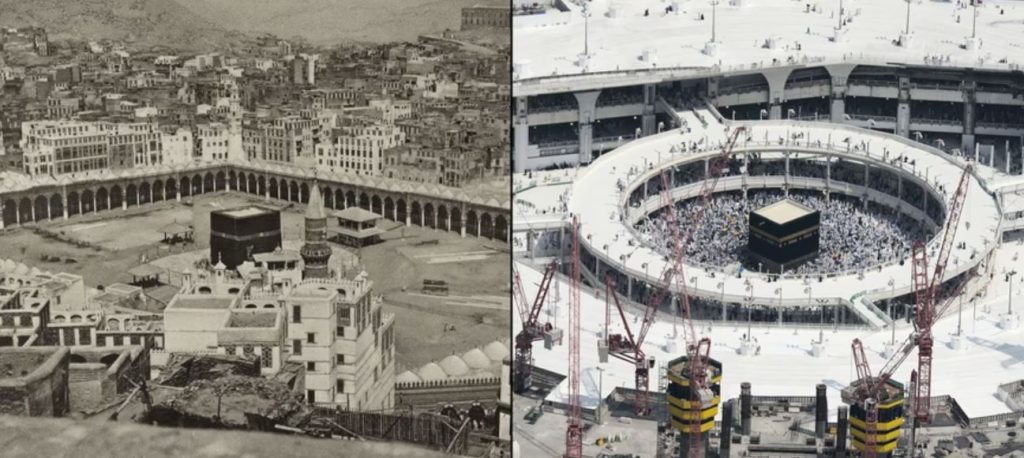
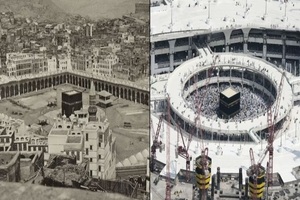
Modern transformation began in earnest during the Saudi era, particularly from the 20th century onwards. With the advent of modern engineering and an increasing number of pilgrims arriving through Umrah package by air from Dubai and other international destinations, the Saudi government initiated massive expansion projects to accommodate the growing crowd. These projects were not merely cosmetic; they were complete redesigns of infrastructure. The expansion involved demolishing old structures around the mosque and adding new floors, escalators, and climate control systems to provide comfort for pilgrims.
The most significant architectural change in recent decades is the development of multilevel prayer halls, air-conditioned corridors, and expanded tawaf (circumambulation) areas. The mataf area around the Kaaba was redesigned to allow more pilgrims to perform the tawaf simultaneously, improving crowd control and safety. The addition of a third floor for tawaf, connected by ramps and escalators, has made it easier for elderly and disabled pilgrims to perform their rituals.
Another marvel of modern architecture is the integration of cutting-edge technology without compromising the mosque’s spiritual ambiance. Advanced surveillance systems, sophisticated sound systems for the adhan (call to prayer), and state-of-the-art cleaning and waste management systems are seamlessly incorporated. The visual harmony of traditional Islamic motifs with contemporary materials such as steel, reinforced concrete, and glass showcases a unique blend of past and present.
Masjid Al-Haram’s iconic features — such as the towering minarets, the monumental gates like King Abdulaziz Gate, and the magnificent marble flooring — reflect centuries of architectural innovation. The clock tower of the nearby Abraj Al-Bait complex, which overlooks the mosque, is another modern landmark that symbolizes the fusion of spiritual tradition and modernity. For those arriving via Umrah package from Dubai, the first glimpse of the Kaaba, set against this majestic backdrop, is unforgettable.
The use of natural light and ventilation continues to be a vital part of the design. The mosque’s roof has retractable sections, allowing natural sunlight to illuminate the vast prayer halls during the day. During Hajj and Umrah seasons, particularly for those who come Umrah package by bus from Dubai, these thoughtful features help in managing the comfort of pilgrims despite the intense desert climate.
As part of ongoing expansions, the Saudi Vision 2030 initiative includes further enlargement of Masjid Al-Haram. These plans focus on increasing capacity while improving sustainability and accessibility. With millions securing their Umrah visa from Dubai and beyond, the architecture must continue to evolve to ensure a smooth spiritual journey for all. Accessibility ramps, signs in multiple languages, and AI-powered crowd monitoring systems are becoming essential architectural considerations.
In essence, the architecture of Masjid Al-Haram stands as a living testament to Islamic history and innovation. From its humble beginnings as a simple enclosure around the Kaaba to its current status as a marvel of modern architecture, the mosque reflects the timelessness of faith and the necessity of progress. Whether traveling Umrah package by air from Dubai for a quicker arrival or embarking on Umrah package by bus from Dubai for a more reflective journey, pilgrims witness firsthand the grandeur and grace of a sacred space designed to welcome every soul with beauty, function, and reverence.