

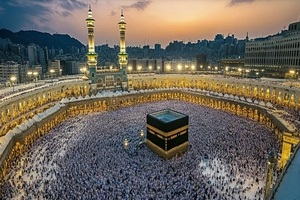
Over the last century, the Umrah experience has undergone a remarkable transformation, evolving from a physically grueling and logistically challenging journey into a well-organized spiritual pilgrimage that caters to millions of Muslims from around the world. Among the most notable changes is the accessibility of Umrah for Muslims residing in the UAE, especially those seeking an Umrah package from Dubai, applying for an Umrah visa from Dubai, or choosing to travel for Umrah by bus from Dubai or Umrah by air from Dubai. What was once a voyage marked by uncertainty and hardship has now become a highly systemized and comfortable pilgrimage, tailored to meet a wide range of budgets and preferences.
A century ago, pilgrims embarking on Umrah faced an entirely different reality. Without the modern infrastructure and technology that exists today, the journey could take weeks or even months. Pilgrims from the Arabian Peninsula and neighboring regions would often travel by camel, on foot, or via basic sea vessels. The risks were high—harsh weather, illness, and limited resources posed serious threats. Today, these dangers have been drastically reduced, particularly for pilgrims coming from the UAE, where options like Umrah package by air from Dubai provide quick, safe, and convenient access to the holy cities of Makkah and Madinah.
With the rise of commercial aviation in the mid-20th century, air travel became the defining shift in how Muslims approached the pilgrimage. Initially expensive and reserved for the elite, flights have now become more affordable and widely available. Airlines operating out of Dubai offer direct routes to Saudi Arabia, and Umrah packages from Dubai often include flight tickets, accommodation, ground transport, and even guided tours. The ease of flying has encouraged more people, especially families and the elderly, to undertake Umrah—something that was logistically difficult just a few decades ago.
However, not all pilgrims prefer to fly. For those looking for a more economical or group-oriented experience, Umrah package by bus from Dubai is a popular alternative. The road trip takes approximately 20 to 30 hours and is often undertaken in groups, adding a sense of community and shared purpose to the spiritual journey. Modern buses are equipped with air conditioning, reclining seats, and regular rest stops, making the journey manageable and comfortable. This option particularly appeals to those who value the road-trip experience or wish to travel in large groups with friends or family.
Securing the Umrah visa from Dubai has also become significantly more streamlined. In earlier decades, applying for a visa required extensive paperwork, long processing times, and uncertainty. Today, the introduction of digital platforms and e-visa services has made it possible for pilgrims to obtain their Umrah visas in a matter of days, sometimes even hours. Travel agencies offering Umrah packages from Dubai often handle the entire process on behalf of their clients, from documentation to approvals, reducing stress and ensuring compliance with Saudi regulations.
The spiritual dimension of Umrah has also been enhanced by modern conveniences. Previously, the exhaustion of the journey could sometimes overshadow the rituals themselves. Today, with efficient travel arrangements and well-organized schedules, pilgrims can focus more deeply on their spiritual experience. Hotels near the Haram, multilingual guides, and mobile apps providing real-time prayer times and Qibla direction all contribute to a more fulfilling Umrah. Additionally, many Umrah packages from Dubai now include religious lectures, group prayers, and visits to historical Islamic sites, enriching the pilgrim’s overall understanding and connection to Islamic history.
Technological advancements have played a crucial role in shaping the new Umrah experience. From GPS-enabled tour buses to electronic bracelets that help authorities track and assist pilgrims, technology has added layers of safety and efficiency. Social media and video calling have allowed pilgrims to stay connected with loved ones during the journey, and for many, sharing the experience in real time enhances the spiritual journey by extending it to family members back home.
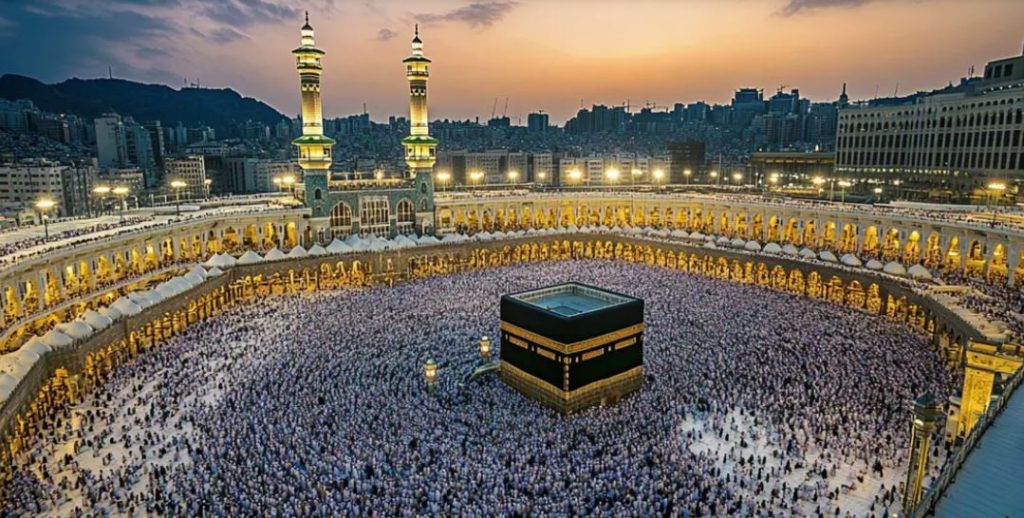
Furthermore, the Saudi government’s Vision 2030 has significantly boosted Umrah infrastructure. Mega projects like the expansion of the Grand Mosque, high-speed railways, and the development of new airports have improved the overall experience for pilgrims. These changes are reflected in the services included in many Umrah packages from Dubai, where travelers can expect high levels of comfort and access to upgraded facilities. The effort to accommodate growing numbers of pilgrims without compromising safety or sanctity has redefined what Umrah means in the modern era.