
The Umrah pilgrimage, while primarily a religious and spiritual journey, has grown to become a significant contributor to the tourism economy, particularly for countries in the Gulf region such as the United Arab Emirates. With a growing number of Muslims in the UAE choosing to embark on this sacred journey, the demand for Umrah packages from Dubai, Umrah visa from Dubai, Umrah package by bus from Dubai, and Umrah package by air from Dubai has surged. This increase in interest has not only deepened cultural and religious engagement but also stimulated a wide array of economic activities, ranging from travel and hospitality to retail and services.
Dubai, being a major global travel hub, offers a unique advantage when it comes to organizing pilgrimages. Travel agencies and operators have capitalized on this by creating tailored Umrah packages from Dubai, which often include visa processing, transport, accommodation, and guided tours. These packages cater to various budget levels—from basic bus journeys to luxurious air travel options—making Umrah more accessible to a wider demographic. The packaging and marketing of these services create jobs for travel consultants, administrative staff, marketing professionals, and local guides, directly feeding into the local economy.
The issuance of the Umrah visa from Dubai is another crucial economic activity. Visa services are typically offered through licensed agents, embassies, and consulates, creating employment opportunities and generating revenue through service charges and processing fees. The streamlined visa process has encouraged more pilgrims to plan their trips with confidence, thereby increasing the overall volume of travelers to Saudi Arabia. As the number of pilgrims grows, so does the infrastructure required to support them—such as hotels, transportation services, and religious tourism facilities—which in turn spurs additional economic growth both in the UAE and in Saudi Arabia.
Traveling for Umrah by different means also has varied economic implications. For example, Umrah by bus from Dubai is often the most economical option and is popular among low- to middle-income pilgrims. These bus trips, though longer, offer a communal and cost-effective alternative, creating demand for long-haul transportation services, rest stops, and hospitality along the route. Bus operators, maintenance crews, and hospitality workers benefit directly from this mode of travel, generating a ripple effect across different sectors.
On the other hand, Umrah by air from Dubai appeals to those looking for speed and convenience. The aviation industry sees a noticeable spike in bookings during peak Umrah seasons, especially during Ramadan and school holidays. Airlines offer special group fares, and many collaborate with tour operators to create seamless travel experiences. This increased air traffic contributes significantly to airport revenues and supports jobs in the airline industry, airport operations, and ground transportation services. In addition, high-end travelers often opt for premium packages that include business class tickets and five-star accommodations, further boosting the luxury travel market.
Retail businesses in Dubai also reap economic benefits from Umrah pilgrimage tourism. Pilgrims often purchase essentials such as prayer mats, religious books, ihram clothing, and travel accessories before departure. Malls and markets experience higher footfall during Umrah seasons, and this increased consumer activity supports local suppliers and retail staff. Moreover, the tradition of bringing back gifts and souvenirs means that shops selling items like dates, perfumes, and Islamic artifacts experience a surge in sales.
Another dimension of economic impact is seen in the technology sector. With the rise of digital platforms, many travel companies have developed mobile apps and online portals to facilitate easy booking of Umrah packages from Dubai. These platforms offer everything from flight tickets and hotel reservations to guided tours and visa tracking. The development and maintenance of these digital services provide employment to software developers, UX designers, and customer service representatives, thereby adding a tech-driven component to the Umrah economy.
Furthermore, the financial sector also benefits from the growth of Umrah tourism. Payments for packages, visa fees, and other services contribute to increased activity in the banking and fintech industries. Installment plans, Islamic financing options, and insurance packages tailored for pilgrims are just some of the financial products that have emerged to meet growing demand. Banks and financial institutions thus play a key role in supporting pilgrimage-related transactions and managing currency exchanges, especially as pilgrims travel from the UAE to Saudi Arabia.
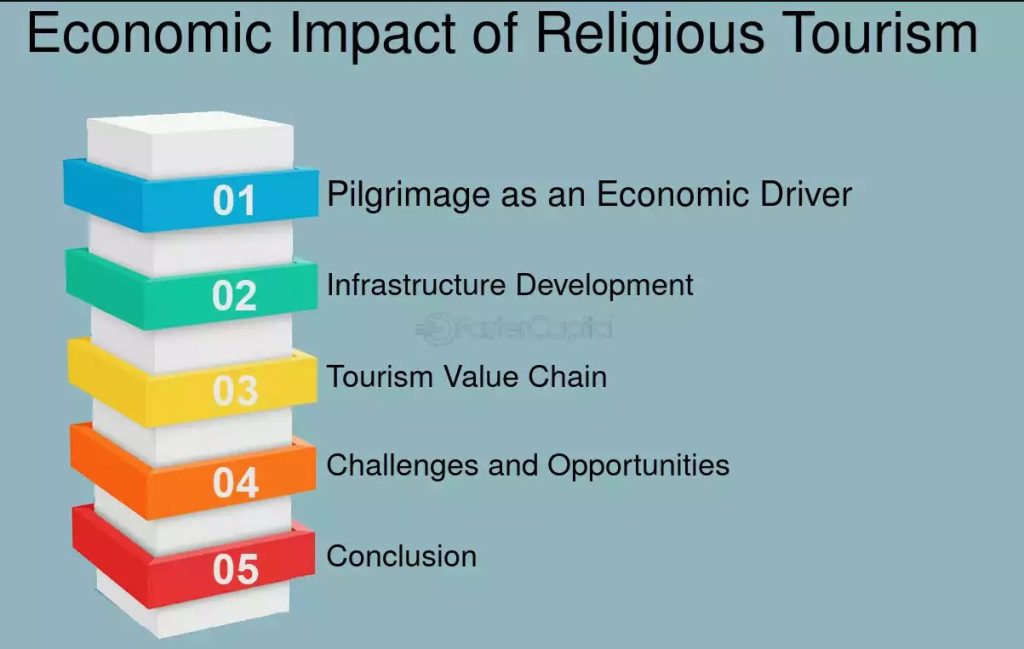
Even beyond the immediate services, there are long-term economic effects of facilitating Umrah from Dubai. Increased exposure to religious tourism encourages investment in infrastructure, including roads, airports, and hospitality facilities. It also enhances Dubai’s reputation as a center for Islamic tourism, attracting additional visitors who may also explore other destinations in the region. This contributes to the broader goal of economic diversification and reduces reliance on traditional income sources such as oil.
In conclusion, the rising popularity of Umrah packages from Dubai, the streamlined process of obtaining an Umrah visa from Dubai, and the flexibility of choosing between Umrah by bus from Dubai and Umrah by air from Dubai have transformed the Umrah pilgrimage into a multi-faceted economic engine. From travel and hospitality to retail, finance, and technology, a wide range of sectors are positively impacted by this spiritual journey. As demand continues to grow, the economic benefits will likely expand, reinforcing the role of religious tourism as a key pillar in the region’s economic development.