

When preparing for a spiritual journey to Makkah and Madinah, many pilgrims from the UAE choose an Umrah package from Dubai to ensure a smooth and organized experience. Whether one travels via an Umrah package by bus from Dubai for a more budget-friendly option or prefers the comfort and speed of an Umrah package by air from Dubai, every pilgrim shares a common purpose—to seek closeness to Allah in the holiest places on earth. Before embarking on this sacred journey, securing an Umrah visa from Dubai is an essential step, but what truly defines the success of one’s pilgrimage is not just the logistics—it is the etiquette and behavior a pilgrim displays within the Holy Mosques. Understanding and practicing proper manners in the Masjid al-Haram in Makkah and the Prophet’s Mosque in Madinah is an integral part of showing respect for these sacred sites and ensuring that one’s acts of worship are accepted.
Entering the Holy Mosques requires a state of purity, both physical and spiritual. Pilgrims should perform ablution (wudu) before entering, as cleanliness is an essential part of faith. It is recommended to enter with the right foot first while reciting the appropriate supplication for entering a mosque. The intention should be sincere, free from worldly distractions, and directed entirely toward the worship of Allah. Upon stepping inside, one should feel humbled by the sanctity of the surroundings. The Holy Mosques are not ordinary places of prayer—they are the heart of Islam, and every act performed within them carries immense significance.
One of the most important aspects of etiquette in the Holy Mosques is maintaining silence and focus. Many pilgrims come from around the world, creating a vibrant and diverse environment. Yet, amidst the crowd, a true pilgrim must strive for calmness and composure. Loud conversations, unnecessary noise, or any form of disturbance can disrupt the peace of others engaged in worship. It is also considered disrespectful to engage in idle talk or use mobile phones for non-religious purposes. These mosques are places of reflection, remembrance, and supplication, and preserving their tranquility is a collective responsibility.
When performing rituals such as Tawaf (circumambulation of the Kaaba) in Masjid al-Haram, pilgrims must be mindful of others around them. The area can be very crowded, especially during peak times. Pushing, rushing, or cutting through others can harm fellow worshippers and disrupt the unity of the act. Instead, patience and consideration are essential. Pilgrims should move in harmony with the crowd, focusing on the remembrance of Allah and the recitation of prayers. The same applies during Sa’i, the ritual walk between Safa and Marwa. Being gentle, calm, and patient ensures that every step is filled with reward and free from harm to others.
Another important aspect of etiquette is respecting the sacred boundaries and spaces within the mosques. In Masjid al-Haram, the Kaaba is the most revered spot, and it should be approached with utmost humility. Touching or kissing the Black Stone (Hajar al-Aswad) is a Sunnah, but not obligatory. Pilgrims should avoid pushing or endangering others in an attempt to reach it. Allah rewards intentions, and the safety and comfort of others should always take precedence over personal desires. Similarly, in the Prophet’s Mosque in Madinah, special respect is due to the Rawdah—the area between the Prophet’s tomb and his pulpit, described as a garden from the gardens of Paradise. When entering this blessed area, pilgrims should remain calm, avoid rushing, and make space for others to pray and offer salutations to the Prophet (peace be upon him).
Cleanliness is another key component of mosque etiquette. Pilgrims should ensure that the Holy Mosques are kept spotless, refraining from littering, eating in prohibited areas, or leaving personal belongings scattered around. The staff working to maintain these sacred spaces deserve respect and cooperation. It is also courteous to wear clean and modest clothing. The ihram for men and the proper attire for women symbolize purity, humility, and equality before Allah. Maintaining a neat appearance is a reflection of one’s inner state and respect for the sanctity of the place.
In addition to physical conduct, spiritual etiquette holds great importance. Pilgrims should enter the mosques with hearts full of sincerity and tongues engaged in dhikr (remembrance of Allah). Backbiting, gossip, or showing impatience contradict the spirit of worship. Instead, a pilgrim should strive to exhibit good character, compassion, and generosity. Helping fellow pilgrims, offering space during prayer, or guiding someone who seems lost are small acts that carry immense reward in these sacred surroundings. The Prophet Muhammad (peace be upon him) emphasized the importance of kindness, especially in the mosques, where mutual respect strengthens the bonds of brotherhood and sisterhood among believers.
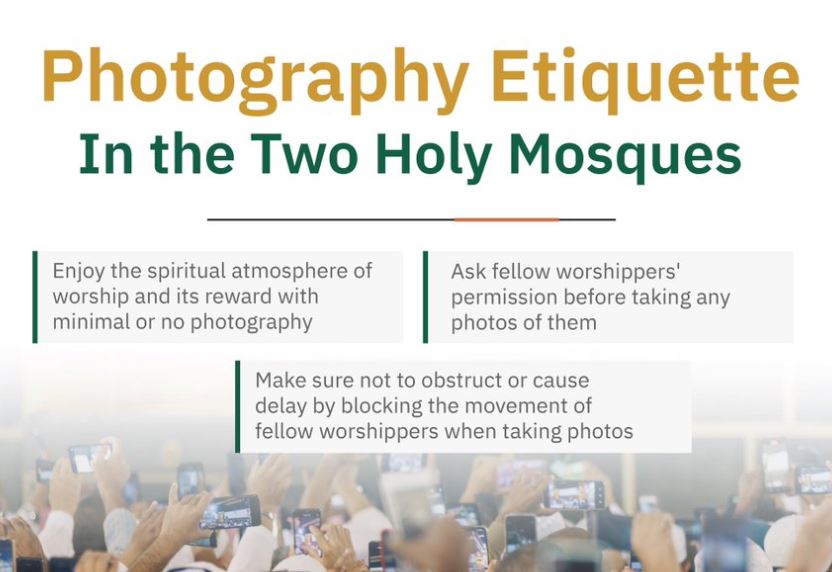
Furthermore, while taking photographs or videos has become common, pilgrims should exercise discretion and sensitivity. The Holy Mosques are places of worship, not tourism. Constant photography can distract from spiritual focus and disturb others. If one chooses to take photos for personal memories, it should be done respectfully and away from prayer areas. The true essence of the experience lies not in pictures but in the peace, humility, and spiritual renewal one attains during the visit.
Lastly, pilgrims should remember that the journey to Makkah and Madinah is not merely about performing rituals but about transforming the soul. Good etiquette in the Holy Mosques reflects a purified heart and sincere devotion. Whether one travels through an Umrah package by air from Dubai or an Umrah package by bus from Dubai, the journey’s success is measured by the conduct displayed in these sacred spaces. Respecting the sanctity of the mosques, maintaining humility, and treating others with kindness all contribute to a rewarding and spiritually uplifting Umrah experience.
In conclusion, etiquette in the Holy Mosques is a vital part of the pilgrimage that enhances one’s connection with Allah and fellow Muslims. By following the proper manners—maintaining cleanliness, showing respect, observing silence, and being considerate—pilgrims uphold the true spirit of Islam. Those traveling on an Umrah packages 2026 from Dubai or holding an Umrah visa from Dubai and Sharjah should prepare not only with travel essentials but also with the right mindset and knowledge of mosque etiquette. This ensures that their time in Makkah and Madinah is filled with blessings, acceptance, and a renewed sense of faith that continues long after they return home.