

Madinah is a city of peace, spirituality, and deep Islamic history. For Umrah pilgrims, visiting this blessed city offers an opportunity to learn about the life of Prophet Muhammad (PBUH), explore important Islamic landmarks, and strengthen their spiritual connection. Although many visitors prefer to spend several days discovering Madinah, a well-planned one-day Madinah Ziyaraat itinerary can cover several significant places without making the journey feel rushed. With an early start, comfortable transport, and enough time for prayer and reflection, pilgrims can enjoy a meaningful day exploring the city’s historic sites.
Begin the Day at Masjid an-Nabawi
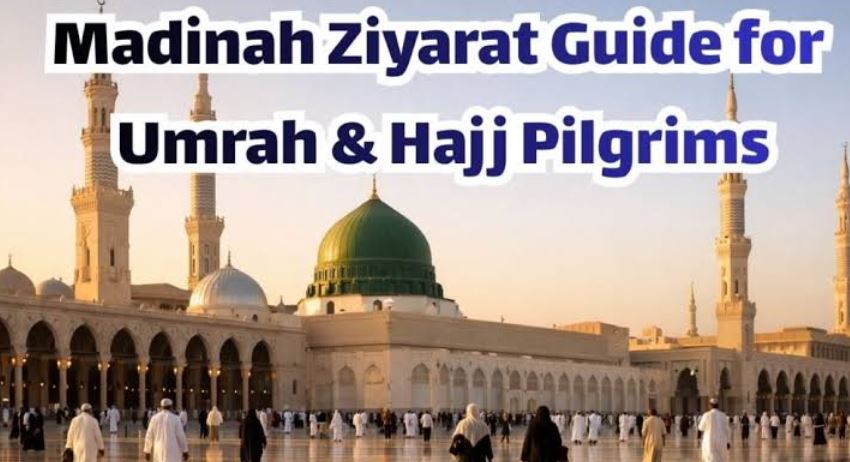
Start your morning at Masjid an-Nabawi, one of the most important mosques in Islam. Arriving early allows you to enjoy the peaceful atmosphere, offer Fajr prayer if your schedule permits, and spend some time in remembrance of Allah. The mosque holds immense significance because it was established by Prophet Muhammad (PBUH) after his migration to Madinah. Pilgrims can offer prayers, recite the Quran, and make personal duas. If you intend to visit the Rawdah, check the current access arrangements and obtain any required permit in advance. Allow sufficient time here before beginning your Ziyaraat tour.
Visit Masjid Quba
After breakfast, head towards Masjid Quba, a landmark associated with the early Muslim community. It is widely recognised as the first mosque established in Islam. The mosque’s peaceful surroundings make it an excellent place to pause, offer voluntary prayers, and reflect on the sacrifices made by the early Muslims. Its spacious prayer areas and beautiful architecture create a welcoming environment for visitors. Keep your visit respectful and follow the mosque’s instructions, especially during busy hours. Spending time at Masjid Quba also provides an opportunity to appreciate the historical importance of the Prophet’s arrival in the outskirts of Madinah.
Explore Masjid al-Qiblatain
The next destination is Masjid al-Qiblatain, known for its connection with the change of the direction of prayer, or Qiblah, from Jerusalem towards the Kaaba in Makkah. This event represents a significant moment in Islamic history and remains an important part of the city’s religious heritage. During your visit, take time to understand the story behind the mosque and appreciate its significance rather than treating it simply as another stop on a sightseeing tour. As with other religious landmarks, visitors should dress modestly, maintain a calm atmosphere, and respect those who are praying.
Discover the Seven Mosques and Khandaq Area
Continue towards the Seven Mosques area, which is associated with the Battle of the Trench, also known as Ghazwat al-Khandaq. The surrounding landscape recalls the difficult circumstances faced by the Muslim community when Madinah was threatened. The small historic mosques in this area attract visitors interested in early Islamic history. Depending on available time and local access, you can explore the area, take photographs where permitted, and learn about the events connected with the battle. Remember that the historical importance of the location matters more than the number of sites you manage to visit.
Visit Mount Uhud and the Martyrs’ Cemetery
In the afternoon, travel to Mount Uhud, one of the most recognisable landmarks outside central Madinah. The mountain is closely associated with the Battle of Uhud, a major event in the early history of Islam. Visitors often stop at the area overlooking the battlefield and the nearby Martyrs’ Cemetery, where the companions who died during the battle are remembered. The visit encourages reflection on courage, sacrifice, patience, and faith. Wear comfortable shoes, carry drinking water, and avoid climbing restricted or unsafe areas, particularly during hot weather.
End the Day with Reflection
If time permits, return to Masjid an-Nabawi for Maghrib or Isha prayer. This provides a peaceful conclusion to a day filled with historical discovery and spiritual reflection. You may also spend some time shopping for dates, prayer mats, or modest gifts from nearby markets, provided your schedule allows.
A successful one-day Madinah Ziyaraat itinerary is not about visiting every location in a hurry. It is about understanding the significance of each place while maintaining the peaceful spirit of the city. Plan your route according to local traffic, prayer times, and opening arrangements, and allow flexibility for rest and meals. For elderly pilgrims, families with children, and anyone with mobility concerns, fewer stops may provide a more comfortable experience. With thoughtful preparation and sincere intentions, even a single day in Madinah can become a memorable part of your Umrah journey.