

For Muslims residing in the UAE, the journey of faith is made easier with convenient options like Umrah packages from Dubai, whether one chooses Umrah package by bus from Dubai or the faster alternative of Umrah by air from Dubai. The process is also streamlined through a readily accessible Umrah visa from Dubai, enabling believers to immerse themselves in one of Islam’s most spiritual experiences. Yet beyond logistics, what gives Umrah its unmatched spiritual weight are the timeless stories of the Prophets whose lives shaped the sacred rituals of this pilgrimage.
The origins of Umrah are deeply connected with the life of Prophet Ibrahim (Abraham, peace be upon him) and his family. Long before the time of Prophet Muhammad (peace be upon him), Prophet Ibrahim was instructed by Allah to bring his wife Hajar and their infant son Ismail to the barren desert of Makkah. Despite the harsh conditions, Hajar’s unwavering faith led her to search desperately for water, running seven times between the hills of Safa and Marwah. This very act of devotion is today commemorated during the Sa’i — one of the central rituals of Umrah. Every pilgrim, whether traveling by bus or air from Dubai, retraces her footsteps in deep reverence, reflecting on her patience and the miracle of Zamzam water that sprang from beneath baby Ismail’s feet.
As pilgrims enter Makkah under the guidance of an Umrah package from Dubai, their hearts naturally turn to these foundational stories. The Kaaba, which is the focal point of the pilgrimage, was rebuilt by Prophet Ibrahim and his son Ismail as a house of worship dedicated solely to Allah. Performing Tawaf — the act of circling the Kaaba seven times — connects pilgrims to the legacy of these prophets. Every step around the Kaaba recalls the sincere efforts of Ibrahim and Ismail in building a symbol of monotheism that has stood the test of time.
Prophet Muhammad (peace be upon him), the Seal of the Prophets, also has a profound connection to Umrah. He performed multiple Umrahs in his lifetime, the first being the Umrah of Hudaybiyyah. Although the Muslims were initially denied entry into Makkah, the Treaty of Hudaybiyyah allowed them to return the following year. When they finally performed Umrah, it was a triumphant moment of peace and religious freedom. Pilgrims today — whether coming through an Umrah visa from Dubai or another route — often reflect on the patience, diplomacy, and unwavering faith that Prophet Muhammad displayed during this pivotal moment in Islamic history.
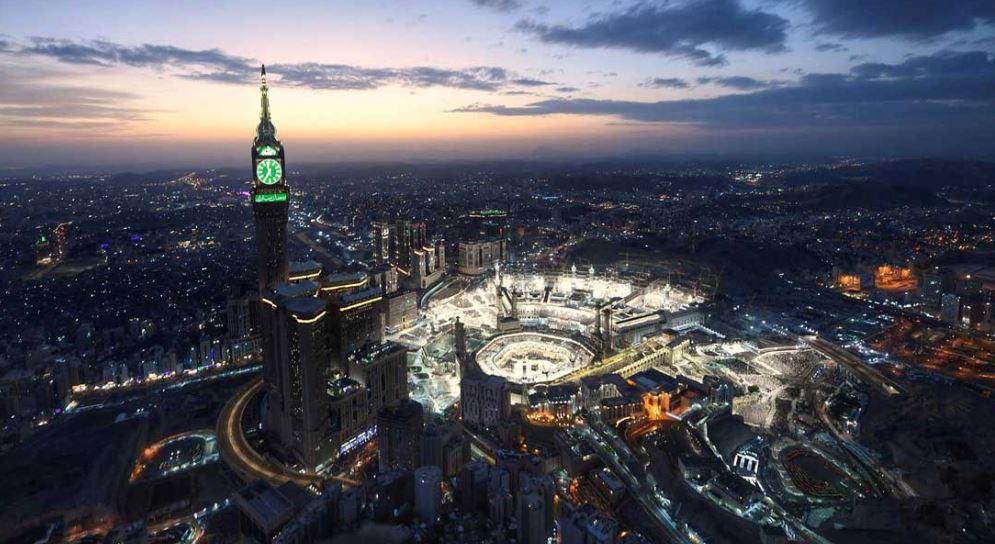
One of the most heartfelt scenes for any believer performing Umrah is standing in prayer near the Maqam Ibrahim — the stone bearing the footprint of Prophet Ibrahim. It is said to have softened under his feet while he stood building the Kaaba, and its presence today is a direct connection to his righteous work and trust in Allah. In addition, many pilgrims seek to visit the Cave of Hira (though not part of the Umrah rites), where Prophet Muhammad first received revelation from the angel Jibreel. This moment not only marked the beginning of the Qur’an but symbolized the ultimate revival of Ibrahim’s message.
Many prophets mentioned in the Qur’an also traveled through or were connected in spirit to the region surrounding Makkah. Prophets Musa (Moses), Yunus (Jonah), and others are revered not only for their individual missions but for their shared commitment to monotheism — the very essence of the Kaaba’s significance. For modern pilgrims choosing Umrah package by air from Dubai for convenience or Umrah by bus from Dubai for affordability and spiritual bonding, these stories serve as reminders that every footstep taken in Makkah is a continuation of a divine journey that began with the earliest prophets.
Each element of Umrah — from donning the Ihram and declaring one’s intention, to performing Tawaf and Sa’i — mirrors lessons from the Prophets. The Ihram symbolizes equality and humility, echoing the trials of the Prophets who lived without luxury, clothed in simplicity and constantly in submission to Allah. Just as Prophet Yusuf (Joseph) faced betrayal and falsehood yet rose in dignity through faith, the pilgrim is reminded to cleanse the soul of worldly concerns and focus on divine closeness.
The Farewell Pilgrimage (Hajj al-Wada’) of Prophet Muhammad also included elements that are part of Umrah. His final sermon emphasized the unity of the Muslim ummah, justice, and mercy — values that resonate through the rituals performed today. Those undertaking Umrah, especially from cosmopolitan hubs like Dubai, experience this unity firsthand as they walk alongside fellow Muslims from every corner of the world.
In conclusion, the sacred journey of Umrah is not merely a ritual; it is a reawakening. It is walking the path laid down by the most beloved figures in Islam — men and women of deep faith, sacrifice, and commitment to the oneness of Allah. For those setting out from Dubai, every mile covered is more than travel; it is a step closer to emulating the lives of the Prophets, whose stories continue to guide and inspire millions across generations.