


The Umrah pilgrimage is a spiritual journey that holds immense significance for millions of Muslims around the world. Every year, countless pilgrims travel to the holy cities of Makkah and Madinah, seeking spiritual growth and fulfillment. With the increasing ease of access, especially for residents and citizens of the UAE, many opt for an Umrah package from Dubai, which offers a variety of travel options such as Umrah by bus from Dubai or Umrah by air from Dubai. These packages are made convenient with the facilitation of an Umrah visa from Dubai, allowing more people to undertake the pilgrimage. However, while the rise in accessibility and demand for Umrah is a positive development from a spiritual perspective, it also raises important environmental concerns that need to be addressed with sustainable solutions.
One of the most significant environmental impacts of the Umrah pilgrimage is the increase in carbon emissions. Air travel, especially, is a major contributor to global CO2 levels. Pilgrims opting for Umrah package by air from Dubai contribute to this environmental footprint, as flights release large amounts of greenhouse gases into the atmosphere. Though air travel is the fastest and most convenient option, especially for those with time constraints, it is also the most environmentally damaging. On the other hand, Umrah package by bus from Dubai is a more sustainable alternative in terms of emissions per passenger. However, the increasing number of buses on the roads also contributes to congestion and emissions, especially near border crossings and within the holy cities.
Another issue arises from the overuse of resources during the pilgrimage. With thousands of pilgrims arriving daily, the demand for water, electricity, and waste management increases dramatically. In a region already facing water scarcity, the excessive use of water for hygiene, ablution, and cooling purposes puts immense pressure on local resources. Moreover, accommodation centers, transportation facilities, and restaurants consume large amounts of electricity to cater to pilgrims, further contributing to energy demand and associated environmental degradation.
Solid waste generation is also a major challenge. Single-use plastics, food waste, and other disposables accumulate rapidly during peak Umrah seasons. Despite efforts by local authorities to manage waste efficiently, the volume produced during these periods often exceeds the capacity of available infrastructure. This waste, if not properly managed, can harm local ecosystems, clog drainage systems, and degrade the environment surrounding the holy sites.
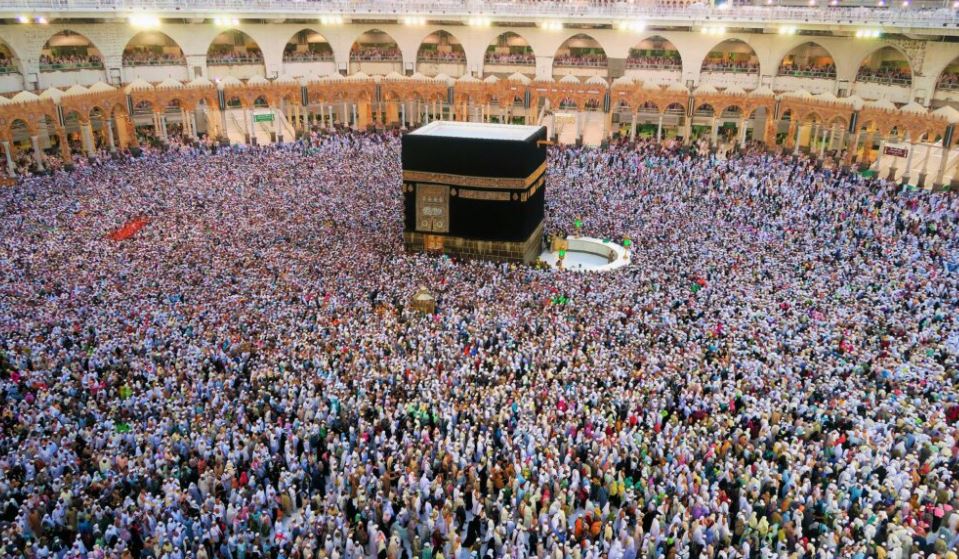
Additionally, the expansion of infrastructure to accommodate the growing number of pilgrims — including hotels, roads, and airports — often results in the destruction of natural habitats. As more pilgrims purchase an Umrah package from Dubai, the pressure on Saudi Arabia to expand facilities increases. This urban development, while necessary for logistics, comes at the cost of biodiversity loss and land degradation.
Despite these challenges, there are several practical solutions that can be implemented to reduce the environmental impact of the Umrah pilgrimage. One of the most immediate solutions is promoting Umrah package by bus from Dubai as a more eco-friendly travel option. Although slower than air travel, bus transport significantly reduces the carbon footprint per passenger. Encouraging group travel and investing in cleaner fuel technologies for buses can further reduce emissions. Additionally, the UAE and Saudi authorities can collaborate to optimize bus routes, border processing, and rest facilities to make this option more appealing to pilgrims.
For those who still prefer Umrah package by air from Dubai, airlines can be encouraged or incentivized to invest in fuel-efficient aircraft and implement carbon offset programs. Pilgrims can be made aware of these programs and even given the option to contribute towards offsetting their travel emissions as part of their Umrah package from Dubai.
Sustainable accommodation options should also be promoted. Hotels and lodges can be encouraged to follow green building practices, conserve water, and use renewable energy. Certification programs that highlight eco-friendly lodging can guide pilgrims in making environmentally responsible choices. Travel agencies offering Umrah packages from Dubai can include such accommodations as part of their standard offerings.
Public awareness is another key element in addressing environmental concerns. Educational campaigns targeting pilgrims before and during the trip can highlight the importance of reducing waste, conserving water, and respecting the environment. Simple practices such as carrying reusable water bottles, minimizing food waste, and avoiding single-use plastics can make a significant collective impact.
Digitalization also offers promising solutions. The use of mobile apps for ticketing, accommodation bookings, navigation, and religious guidance can significantly reduce paper usage and streamline logistics. These innovations can be integrated into Umrah packages from Dubai, offering a seamless yet eco-friendly experience for pilgrims.
Another long-term solution is the implementation of a sustainable Umrah policy at the governmental level. Both the UAE and Saudi governments can collaborate to set environmental standards for travel agencies, transport providers, hotels, and other stakeholders involved in the pilgrimage. These standards could include emissions reporting, resource usage monitoring, and waste reduction targets.
In conclusion, while the Umrah pilgrimage is a deeply spiritual journey cherished by Muslims worldwide, it is important to recognize and address its environmental implications. As the number of pilgrims rises with the ease of obtaining an Umrah visa from Dubai and the convenience of Umrah packages from Dubai, sustainable practices must be integrated into every aspect of the journey. Whether by choosing Umrah by bus from Dubai to reduce emissions, supporting green accommodations, or adopting waste-reducing behaviors, every small action contributes to a more environmentally responsible pilgrimage. By aligning spiritual intentions with ecological responsibility, the Umrah experience can become not only a source of personal fulfillment but also a model of sustainable religious tourism.