

Performing Umrah is one of the most spiritually fulfilling experiences in a Muslim’s life. Every year, thousands of believers from around the world, including those who choose an Umrah package from Dubai, embark on this sacred journey to Makkah to cleanse their souls and renew their connection with Allah. Whether a pilgrim travels through an Umrah package by bus from Dubai or opts for the convenience and comfort of an Umrah package by air from Dubai, the essence of the pilgrimage remains the same — devotion, humility, and spiritual purification. With an approved Umrah visa from Dubai, pilgrims set out to perform the sacred rituals that symbolize unity, faith, and obedience. Understanding the five essential rituals of Umrah is crucial for every pilgrim, as each act carries deep meaning and spiritual significance that brings one closer to Allah.
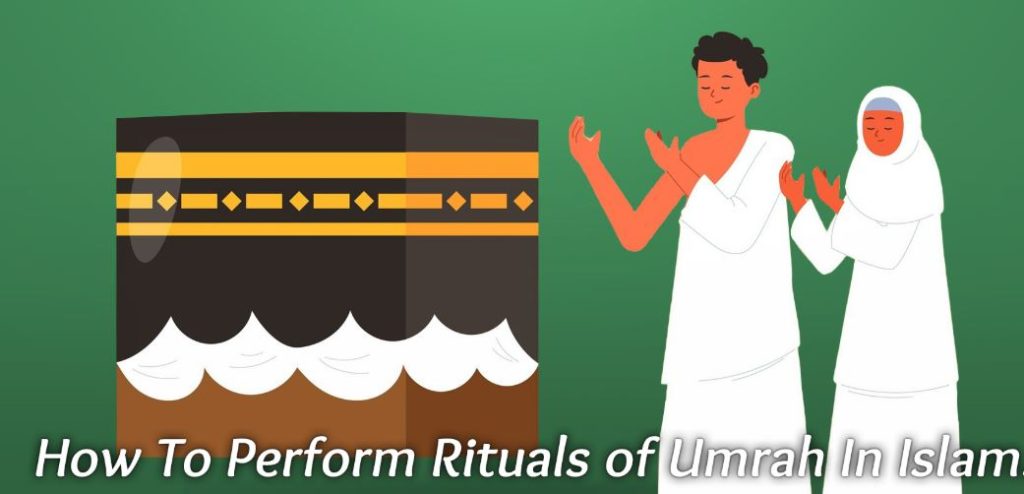
The first and most significant ritual of Umrah is Ihram, the state of spiritual purity and devotion that marks the beginning of the pilgrimage. Before entering the holy boundary of Makkah, pilgrims must change into simple, white garments — two unstitched pieces of cloth for men and modest clothing for women that covers the entire body except the face and hands. These garments symbolize purity, equality, and humility before Allah. In this state, all worldly distinctions of wealth, status, and nationality disappear. Every pilgrim stands equal in the eyes of God, bound by the same purpose. Before assuming Ihram, pilgrims perform ghusl (ritual washing) and recite the Talbiyah, declaring their intention to perform Umrah. Once in Ihram, certain restrictions apply — such as avoiding arguments, refraining from cutting hair or nails, and abstaining from physical intimacy — to maintain a state of spiritual focus and discipline throughout the journey.
The second ritual of Umrah is Tawaf, which takes place in the heart of Makkah, around the sacred Kaaba in Masjid al-Haram. Tawaf involves walking seven times counterclockwise around the Kaaba, beginning and ending at the Black Stone (Hajr al-Aswad). Each round represents a believer’s devotion and love for Allah, symbolizing the continuous cycle of faith and submission. The atmosphere during Tawaf is profoundly emotional; pilgrims chant prayers, recite supplications, and feel an overwhelming sense of unity with millions of others performing the same act. Whether a pilgrim has arrived using an Umrah package by air from Dubai or taken the scenic route through an Umrah package by bus from Dubai, this moment is where all travel fatigue fades away, replaced by a deep sense of peace and divine closeness. The rhythmic movement around the Kaaba reinforces the idea that Allah is the center of every believer’s life, guiding their hearts and actions.
After completing Tawaf, the next ritual is Sa’i, the act of walking between the two hills of Safa and Marwah. This part of Umrah commemorates the story of Hajar (the wife of Prophet Ibrahim) who ran between these two hills in search of water for her infant son, Ismail. Her unwavering faith and perseverance are immortalized in this ritual, reminding every pilgrim of the strength that comes from trusting Allah’s mercy and timing. Pilgrims walk briskly between Safa and Marwah seven times, reflecting upon the story’s spiritual lessons — faith during trials, patience during hardships, and hope in divine provision. It is a powerful moment of connection, especially for those who may have endured personal struggles before embarking on this sacred journey. Many pilgrims who traveled through an Umrah package from Dubai find this ritual particularly moving, as it parallels their own life journeys of seeking Allah’s help and guidance.
The fourth ritual is Tahallul, which involves trimming or shaving the hair after completing Sa’i. For men, shaving the head completely is highly recommended as a symbol of complete submission and renewal, while women typically trim a small portion of their hair. This act marks the end of the state of Ihram and symbolizes a new beginning — a purified soul and a heart renewed with faith. It signifies letting go of past sins and embracing a life aligned with the teachings of Islam. Pilgrims often find this moment liberating, as it represents the completion of their spiritual purification. For many who booked their journey through an Umrah package from Dubai, this simple yet powerful act is a tangible sign of spiritual rebirth and humility before Allah.
The fifth and final ritual of Umrah is Tawaf al-Wada, also known as the Farewell Tawaf. This is performed before leaving Makkah, as a way of bidding farewell to the sacred sanctuary of Masjid al-Haram. Pilgrims circle the Kaaba one last time, their hearts heavy with emotion yet filled with gratitude for the opportunity to answer Allah’s call. It is a moment of deep reflection and prayer, as pilgrims seek forgiveness, thank Allah for accepting their worship, and pray for the chance to return again. Many who traveled with an Umrah package by air from Dubai or an Umrah package by bus from Dubai find it difficult to part from this holy place, as the experience leaves an everlasting impression on their hearts. The farewell Tawaf serves as a spiritual conclusion, sealing the pilgrimage with love, devotion, and renewed faith.
Each of these five rituals — Ihram, Tawaf, Sa’i, Tahallul, and Tawaf al-Wada — holds profound meaning and is essential to completing a valid Umrah. Together, they form a spiritual journey that transforms the believer from within. Beyond the physical acts, Umrah represents a return to simplicity, sincerity, and closeness to Allah. For many pilgrims who travel through an Umrah package from Dubai, the journey is not just a religious obligation but a life-changing experience that strengthens their faith, brings peace to their hearts, and inspires them to live with gratitude and devotion. Whether one chooses the comfort of an Umrah package by air from Dubai or the fellowship of an Umrah package by bus from Dubai, the true reward lies in the spiritual fulfillment gained from performing these sacred rituals with pure intention and love for Allah.
In essence, Umrah is more than a journey to a holy land — it is a journey of the soul. Every step taken, every prayer recited, and every ritual performed carries a message of humility, patience, and devotion. Pilgrims return home not only spiritually renewed but also with hearts filled with compassion and gratitude. The five rituals of Umrah are a timeless reminder that no matter where we come from or how we travel, what truly matters is our sincerity in seeking Allah’s mercy and guidance.